
Renter-friendly lease terms are clauses in a rental agreement that protect tenant interests, limit unexpected costs, and promote fair communication between you and your landlord. Most tenants sign leases without realizing that 97% of residential leases contain at least one clause tenants do not fully understand, and 30% include provisions that may be unenforceable. The industry term for these protective provisions is "tenant-favorable lease clauses," though renters commonly search for them as examples of renter-friendly lease terms. Knowing what to look for before you sign can save you between $1,000 and $5,000 over the course of a single lease term.
What are the most important examples of renter-friendly lease terms?#
The five lease clauses below appear in nearly every residential agreement. Each one can either protect you or cost you, depending on how it is written.
-
Early termination clause. A tenant-favorable version caps your exit penalty at one to two months' rent plus a written notice period. Early termination fees are commonly set at one to two months' rent, so push back on anything higher. Without this clause, breaking a lease early can mean paying rent for every remaining month.
-
Late fee limits. State law caps what landlords can charge. New York, for example, limits late fees to $25–$50 or 5% of monthly rent, whichever is less. California caps them at 6% of rent. Any fee above the legal ceiling is typically unenforceable, but you still have to fight it if it appears in your lease.
-
Automatic renewal terms. Many leases require 60–90 days' written notice to avoid automatic renewal. Miss that window and you are locked in for another full term. A renter-friendly version defaults to month-to-month at the same rent if neither party acts.
-
Joint-and-several liability. If you share a unit, this clause makes every roommate responsible for the full rent, not just their share. That means if your roommate stops paying, the landlord can pursue you for the entire amount. Understand this before you sign with anyone.
-
Pet policy terms. A fair pet clause names the deposit amount, specifies whether it is refundable, and lists any breed or weight restrictions upfront. Vague pet language often leads to stacked fees: a non-refundable deposit, a monthly pet rent, and a cleaning charge at move-out.
Pro Tip: Before signing, search the lease document for the words "fee," "penalty," and "automatic" to locate every clause that could cost you money. This single step takes under ten minutes and surfaces most of the risk.
How can flexible lease term options benefit tenants?#

Lease duration is one of the most negotiable elements in any rental agreement. Fixed-term leases are usually 12 months, while month-to-month agreements require roughly 30 days' notice but may carry a monthly premium. A third option, the negotiated mid-length lease, sits between both and suits tenants who need more than a few months but less than a year.
The table below compares the three main lease structures on the factors that matter most to tenants.
| Lease type | Typical length | Notice to exit | Rent stability | Best for |
|---|---|---|---|---|
| Fixed-term | 12 months | Per lease terms | High | Tenants with stable plans |
| Month-to-month | Rolling | ~30 days | Low (can rise) | Tenants needing flexibility |
| Negotiated term | 6 months | Per agreement | Moderate | Job relocations, life transitions |
The flexibility advantage of month-to-month is real, but it comes at a cost. Landlords often charge a premium of $100–$200 per month above the standard rate because they carry more vacancy risk. A negotiated six-month lease, by contrast, often carries no premium and gives you a firm exit date. Intermediate lease terms are possible with landlord agreement, so ask directly rather than assuming only 12-month options exist.
If your life situation is likely to change within the year, a month-to-month arrangement is worth the premium. If you have a known end date, a fixed negotiated term is almost always cheaper.
What clear communication clauses promote fairness and transparency?#
Vague lease language is where most tenant-landlord disputes begin. A well-written lease spells out four things precisely: rent details, maintenance duties, entry rights, and security deposit rules.
-
Rent amount, due date, and payment method. The lease should state the exact monthly rent, the day it is due, acceptable payment methods, and any scheduled increases. Negotiating a fixed rent structure or a defined cap on annual increases can save tenants thousands compared to vague clauses tied to arbitrary indices.
-
Maintenance responsibilities. The lease should list which repairs are the landlord's duty and which fall to you. Response time expectations matter too. A tenant-favorable clause specifies that the landlord will respond to urgent repairs within 24 hours and non-urgent requests within a set number of days.
-
Landlord entry rights. State law typically requires landlords to give 24–48 hours' notice before entering your unit. Any lease clause granting "anytime" entry is usually not legally valid. If your lease says otherwise, flag it before signing.
-
Security deposit deductions. The lease should define exactly what qualifies as damage versus normal wear and tear. Photographic move-in and move-out reports are the strongest defense against wrongful deductions. Landlords sometimes charge for carpet cleaning or repainting through broad lease language, even when state law prohibits it.
-
Written amendment process. Any verbal promise a landlord makes should be added to the lease in writing before you sign. A clause confirming that only written amendments are valid protects you from "he said, she said" disputes later.
Pro Tip: Take timestamped photos of every room, appliance, and wall on move-in day. Store them somewhere you can access years later. This one habit resolves most security deposit disputes before they escalate.
Which renter-friendly lease clauses help avoid unexpected costs?#
Hidden fees are the biggest source of financial surprise in rental agreements. Tenants often overlook small fees and vague maintenance clauses that accumulate into significant unexpected costs over a tenancy. The clauses below are the ones most likely to catch you off guard.
-
✅ Late fee cap aligned with state law. Confirm the lease states a specific dollar amount or percentage, not just "a reasonable late fee." Fees exceeding state caps are unenforceable, but disputing them costs time and stress.
-
✅ Rent increase notice requirement. A renter-favorable clause requires the landlord to give written notice of any rent increase at least 30–60 days before it takes effect. Without this, you may receive a higher rent bill with almost no time to respond or move.
-
✅ Move-out fee disclosure. Some leases include mandatory cleaning fees or carpet replacement charges regardless of the unit's condition. A fair lease lists any non-negotiable move-out charges upfront so you can factor them into your total cost before signing.
-
✅ Pet fee structure. Stacked pet fees are a common trap. A renter-friendly clause separates the refundable pet deposit from any monthly pet rent and states clearly whether a cleaning fee applies at move-out. Knowing the full pet cost upfront prevents surprises when you leave.
-
❌ Avoid vague "additional charges" language. Phrases like "tenant is responsible for any additional charges deemed necessary by landlord" are red flags. Many lease clauses are limited or voided by state law, but you still need to know your local rights to challenge them. Check your state's landlord-tenant statutes at your tenant rights guide before signing anything with open-ended fee language.
The best protection against unexpected costs is reading the full lease before you sign. Spending at least 30 minutes reviewing a lease can save you $1,000–$5,000 over the lease term. That is a strong return on half an hour of your time.
Key Takeaways#
Renter-friendly lease clauses protect tenants from excessive fees, vague obligations, and surprise costs that accumulate silently over a tenancy.
| Point | Details |
|---|---|
| Read before you sign | Reviewing your lease for 30 minutes can save $1,000–$5,000 over the term. |
| Cap fees in writing | Confirm late fees match state law limits before signing, not after a dispute. |
| Negotiate lease length | Six-month negotiated terms often carry no premium and give you a firm exit date. |
| Document move-in condition | Timestamped photos are the strongest defense against wrongful deposit deductions. |
| Know your state law | Many lease clauses are unenforceable under local law; research your rights before signing. |
Why I think most tenants leave money on the table at lease signing#
Most tenants treat a lease like a terms-of-service agreement: too long to read, too intimidating to question, and easier to just sign. That mindset is expensive. Every lease I have reviewed closely has contained at least one clause that was either negotiable or outright unenforceable under state law.
The biggest missed opportunity is the early termination clause. Tenants rarely push back on it, yet it is one of the most negotiable items in any lease. A landlord who wants a reliable tenant will often accept a one-month penalty plus 30 days' notice rather than risk vacancy. You will not know unless you ask.
The second mistake is ignoring automatic renewal windows. Auto-renewal clauses often require 60–90 days' written notice to avoid locking in for another full term. Set a calendar reminder the day you sign. Missing that window by a week can cost you months of rent you did not plan for.
My honest advice: treat every lease as a negotiable contract, not a fixed form. Request written amendments for anything a landlord promises verbally. And before you sign anything, spend time with the questions to ask before signing so you walk in prepared. The tenants who get the best lease terms are simply the ones who ask.
— Walker
How Echopm helps tenants and landlords get lease terms right#
Signing a lease should not feel like defusing a bomb. Echopm is a property management platform that gives tenants a clear, organized place to review lease documents, sign digitally, and track every term in one dashboard.
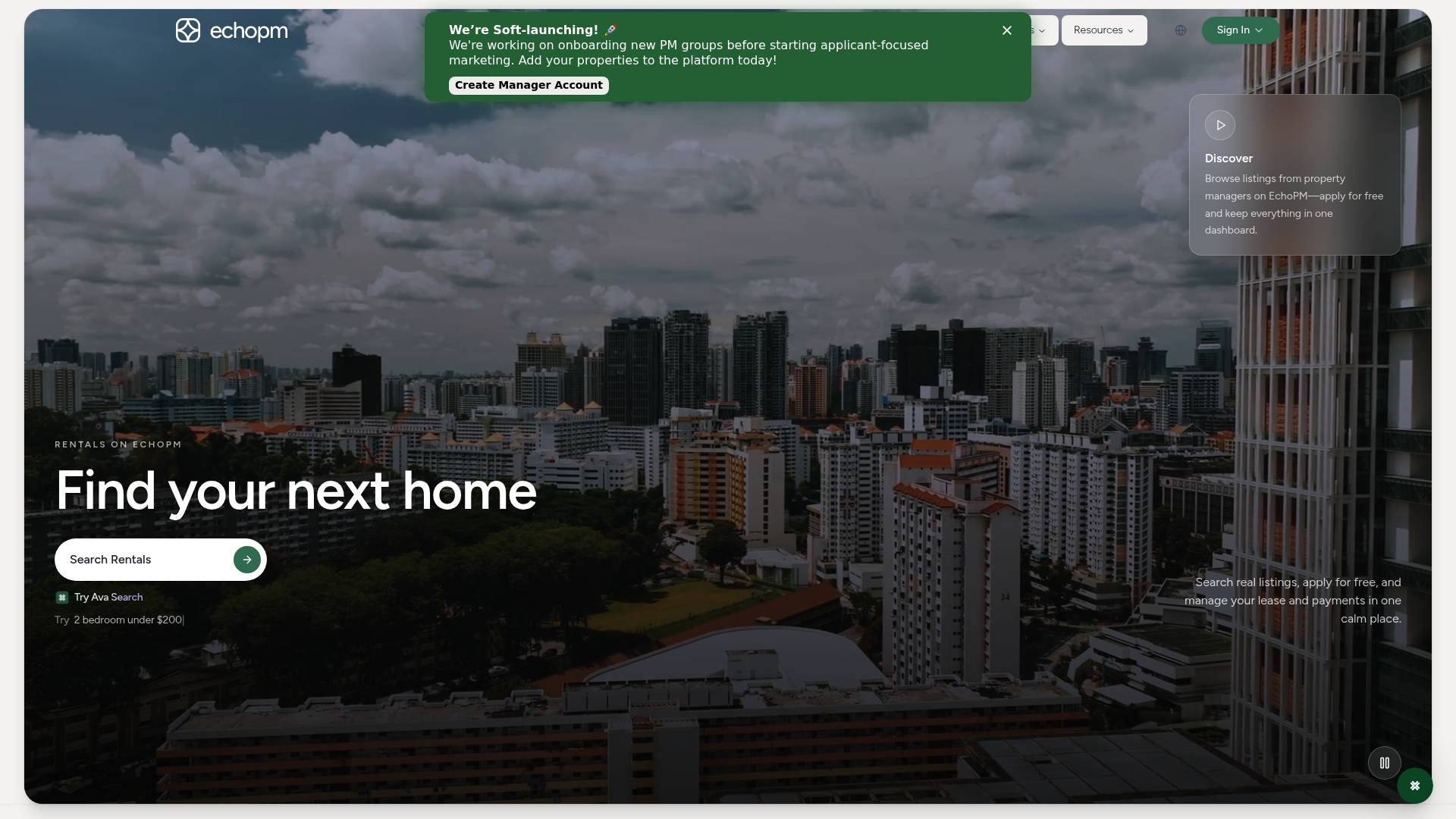
Echopm's lease and document tools let landlords build leases with custom clauses and give tenants time to review before signing. There are no application fees, no hidden charges buried in the process, and no scrambling through email threads to find your agreement. Tenants get real-time listings, transparent lease terms, and a direct line to their property manager. If you want a rental experience built around clarity, explore Echopm's tenant features and see what a well-managed lease actually looks like.
FAQ#
What are examples of renter-friendly lease terms?
Renter-friendly lease terms include capped late fees, clear early termination clauses, defined landlord entry notice requirements, and explicit security deposit deduction rules. These clauses protect tenants from unexpected costs and vague obligations.
Can tenants negotiate lease terms before signing?
Yes. Most lease terms, including late fees, early termination penalties, and rent increase notice periods, are negotiable before signing. Requesting written amendments is the safest way to confirm any changes a landlord agrees to verbally.
What is a joint-and-several liability clause?
Joint-and-several liability means every roommate on the lease is responsible for the full rent, not just their individual share. If one roommate stops paying, the landlord can pursue any or all remaining tenants for the entire balance.
How much notice must a landlord give before entering my unit?
State law typically requires landlords to give 24–48 hours' notice before entering a rental unit. Any lease clause allowing entry without notice is generally unenforceable under local landlord-tenant statutes.
What is an automatic renewal clause in a lease?
An automatic renewal clause extends your lease for a full additional term if you do not provide written notice within a set window, often 60–90 days before the lease ends. Missing this deadline can lock you into another year of rent you did not plan for.